Source Car Cleaning Brush for Floor, Car, and Window
Explore 30 verified car cleaning brush options from Chinese manufacturers. Buyers can compare materials like ABS and metal, customization features, and pricing to find the right tool for car body, floor, and window cleaning tasks; compare the available evidence and request quotations based on your requirements.
Key considerations
Products List



Comprehensive Sourcing Guide
Car Cleaning Brush Sourcing Guide
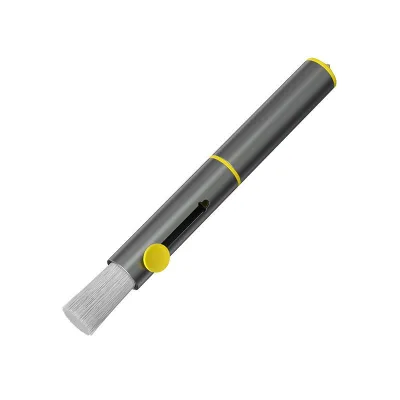
Sourcing car cleaning brushes requires a clear understanding of the diverse product landscape available from manufacturers, particularly those based in China. The market offers a wide array of options, ranging from multifunctional tools designed for general vehicle maintenance to specialized scourers for heavy-duty grime removal. Buyers must navigate through various material compositions, including ABS+PC alloys, pure ABS plastic, and metal handles, each offering distinct durability and ergonomic benefits. The observed product range highlights significant variation in design, with some brushes featuring two or three sections for targeted cleaning, while others are compact, mini-sized tools intended for tight spaces. Understanding these physical distinctions is the first step in aligning procurement with specific operational needs, whether for a professional car wash facility or a retail distribution channel.
Beyond physical attributes, the functional scope of these brushes extends to various cleaning surfaces, including car bodies, windows, and general floors. This versatility suggests that buyers should evaluate the intended end-use environment to select the appropriate tool. For instance, brushes marketed for car body cleaning may prioritize soft bristles to prevent scratching, whereas those labeled as scourers might feature stiffer materials for removing stubborn dirt. The presence of eco-friendly features in some listings indicates a growing market segment focused on sustainable cleaning solutions. Procurement teams should therefore assess not only the mechanical performance of the brush but also its alignment with broader corporate sustainability goals, ensuring that the selected products meet both functional requirements and environmental standards.
Product Scope and Observed Listing Signals
The observed market signals reveal a broad spectrum of product configurations, with prices ranging from $0.2 to $6 USD and minimum order quantities (MOQs) varying significantly from 2 to 5,000 units. This wide price and volume range indicates a highly segmented market, catering to both small-scale retailers seeking low-risk trial orders and large distributors requiring bulk supply. The availability of customization options, such as logo printing and color variations, suggests that many suppliers are equipped to handle branded procurement projects. Buyers should note that while some products are listed as non-customized, others explicitly offer car logo customization, allowing for brand differentiation in the final product. This flexibility is crucial for companies looking to create unique product lines or private-label offerings that stand out in competitive markets.
Packaging and origin details further define the procurement landscape, with products originating from regions like Anhui, Ningbo, and Guangzhou in China. Packaging methods vary from inner boxes and master cartons to standard exporting packages and simple OPP bags, impacting logistics costs and product protection during transit. The presence of specific product models, such as #25312, SL-200, and N-001, provides a reference point for tracking specific SKUs, although buyers must verify that these models correspond to their exact quality and feature requirements. The observation of features like "stocked" items suggests that some suppliers maintain inventory for faster delivery, which can be advantageous for urgent procurement needs. Understanding these logistical and commercial signals helps buyers optimize their supply chain strategy, balancing cost, speed, and customization requirements effectively.
Technical Specifications to Verify
When evaluating technical specifications, the material composition of the brush handle and head is a primary consideration. Common materials observed include ABS+PC alloy, pure ABS, and metal, each offering different levels of strength, flexibility, and resistance to environmental factors. Buyers should verify the specific grade of plastic used, as higher-quality ABS typically provides better impact resistance and longevity. Additionally, the bristle material, often implied as plastic or scourer-type fibers, must be assessed for its cleaning efficacy and gentleness on vehicle surfaces. The structural design, whether it features two or three sections, also plays a role in usability, with multi-section brushes potentially offering better reach and maneuverability for complex vehicle shapes. Confirming these material and structural details ensures that the selected brushes meet the durability and performance expectations of the end-user.
Packaging dimensions and model numbers are critical for logistics planning and inventory management. Specifications such as a packing size of 1253CM for certain models provide essential data for calculating container loadings and storage requirements. Buyers must cross-reference these dimensions with their own logistical constraints to optimize shipping costs. Furthermore, the style of the brush, whether described as hand-held or scourer-type, influences ergonomic considerations for the user. It is also important to verify the color options available, as some listings specify yellow, grey, black, or multicolor variants. Ensuring that the technical specifications align with the intended application, whether for car washing or general cleaning, prevents mismatches between product capabilities and user expectations, reducing the risk of returns or dissatisfaction.
Compliance and Safety Documentation
Compliance with international standards is a key factor in sourcing car cleaning brushes, particularly for markets with strict regulatory requirements. The observed certifications, including ISO, GS, and CE, indicate that some suppliers adhere to recognized quality and safety management systems. Buyers should request valid certification documents to verify that these standards are current and applicable to the specific products being procured. Additionally, the mention of SGS as a standard suggests that third-party testing may be involved in the quality assurance process. Understanding the scope of these certifications is essential, as they may cover different aspects of production, from material safety to manufacturing processes. Ensuring that the supplier can provide up-to-date compliance documentation helps mitigate legal and reputational risks associated with importing products into regulated markets.
Beyond formal certifications, buyers should also consider the environmental and safety implications of the materials used. The observation of eco-friendly features in some products suggests a potential alignment with sustainable procurement policies. However, buyers must verify what these claims entail, such as the use of recyclable materials or non-toxic manufacturing processes. It is also important to check for any specific safety warnings or usage instructions provided by the supplier, particularly if the brushes are intended for use with chemical cleaners. Ensuring that the product documentation includes clear safety guidelines helps protect end-users and reduces the liability for the buyer. By prioritizing suppliers with robust compliance and safety documentation, buyers can enhance the trustworthiness and marketability of their products.
Cost Drivers and Commercial Terms
The cost of car cleaning brushes is influenced by several factors, including material quality, customization requirements, and order volume. The observed price range of $0.2 to $6 USD reflects the diversity in product complexity and material costs. Buyers should analyze the cost structure to understand how different specifications impact the final price. For instance, brushes with metal handles or multi-section designs may command higher prices due to increased manufacturing complexity. Customization options, such as logo printing or specific color requests, can also add to the cost. Understanding these cost drivers allows buyers to negotiate more effectively and identify opportunities for cost savings without compromising on quality. It is also important to consider the total cost of ownership, including shipping and handling, when evaluating supplier quotes.
Commercial terms, such as MOQs and payment conditions, play a significant role in the procurement process. The observed MOQ range of 2 to 5,000 units offers flexibility for buyers with varying order sizes. However, buyers should be aware that lower MOQs may come with higher unit prices, while larger orders might qualify for volume discounts. It is crucial to clarify the payment terms and delivery schedules with the supplier to ensure they align with the buyer's cash flow and inventory management strategies. Additionally, buyers should inquire about the packaging details, as different packaging methods can affect shipping costs and product protection. By carefully reviewing and negotiating these commercial terms, buyers can optimize their procurement strategy and achieve better value for their investment.
Supplier Qualification and Quality Control
Supplier qualification is a critical step in ensuring the reliability and consistency of car cleaning brush supplies. Buyers should conduct thorough due diligence on potential suppliers, verifying their business licenses, production capabilities, and quality management systems. The observation of suppliers from regions like Anhui, Ningbo, and Guangzhou suggests a concentration of manufacturing expertise in these areas. Buyers should assess the supplier's experience in producing car cleaning brushes and their ability to meet specific technical requirements. Additionally, it is important to check for any past performance issues or customer complaints. Establishing a strong relationship with a qualified supplier helps ensure a steady supply of high-quality products and facilitates smoother communication throughout the procurement process.
Quality control measures are essential to maintain product consistency and meet customer expectations. Buyers should inquire about the supplier's quality control processes, including incoming material inspections, in-process checks, and final product testing. The mention of standards like SGS suggests that some suppliers may offer third-party testing services, which can provide an additional layer of assurance. Buyers should also request samples to evaluate the product quality firsthand, checking for defects in materials, construction, and finish. Establishing clear quality standards and acceptance criteria in the purchase agreement helps minimize the risk of receiving substandard products. By prioritizing suppliers with robust quality control systems, buyers can ensure that their procurement efforts result in products that meet the desired quality levels.
Long-Term Procurement Checks
Long-term procurement success depends on continuous monitoring and evaluation of supplier performance. Buyers should establish key performance indicators (KPIs) to track metrics such as on-time delivery, product quality, and responsiveness to issues. Regular audits and reviews of supplier performance help identify areas for improvement and ensure that the supplier remains aligned with the buyer's expectations. Additionally, buyers should maintain open communication channels with their suppliers to address any emerging issues promptly. Building a collaborative relationship with suppliers fosters trust and encourages them to prioritize the buyer's needs. By implementing a structured supplier management process, buyers can mitigate risks and ensure a stable supply chain for their car cleaning brush products.
Market trends and technological advancements in the cleaning brush industry also require ongoing attention. Buyers should stay informed about new materials, designs, and features that may offer competitive advantages. The observation of eco-friendly products suggests a growing demand for sustainable solutions, which buyers should consider incorporating into their procurement strategy. Additionally, changes in regulatory requirements or consumer preferences may impact the demand for specific types of brushes. By staying agile and responsive to market changes, buyers can adapt their procurement strategies to meet evolving customer needs. Regularly reviewing and updating procurement policies ensures that the buyer remains competitive and continues to deliver value to their customers in the long run.
FAQs
What materials are used for car cleaning brushes?
Car cleaning brushes typically use ABS+PC alloy or ABS plastic for the handle and body. These materials provide durability and resistance to corrosion. Some models feature metal handles for added strength. The bristles are designed to be gentle on surfaces while effectively removing dirt and grime from car bodies and windows.
Can I customize the car cleaning brush with my logo?
Yes, customization is available for many car cleaning brush models. Buyers can often request car logo customization to brand the product for their business. This service allows for unique marketing opportunities. Check with the supplier regarding specific customization options and minimum order quantities to ensure your branding requirements are met.
What certifications do car cleaning brushes have?
Many car cleaning brushes come with ISO, GS, and CE certifications. These certifications indicate compliance with international safety and quality standards. Some products may also adhere to SGS standards. Buyers should verify specific certification documents with the supplier to ensure they meet local regulatory requirements for their target market.
What is the typical packaging for car cleaning brushes?
Packaging varies by supplier but often includes inner boxes and master cartons for bulk shipments. Some items are packed in OPP bags or standard exporting packages. Specific models may use bulk packing for cost efficiency. The packaging is designed to protect the brush during transit and ensure it arrives in good condition for resale or distribution.
Where are car cleaning brushes manufactured?
Car cleaning brushes are primarily manufactured in China. Specific production locations include Anhui, Ningbo in Zhejiang, and Guangzhou. These regions are known for their manufacturing capabilities in plastic and metal goods. Buyers can often trace the origin of the product to these specific cities for quality and logistics planning.
What is the minimum order quantity for car cleaning brushes?
The minimum order quantity varies significantly by supplier and product model. Observed MOQs range from as low as 2 pieces to 5000 pieces. Some suppliers set specific MOQs like 20 pieces for certain models. Buyers should confirm the exact MOQ with the supplier to align with their inventory needs and budget constraints.